Key Takeaways:
- A stuffy nose worsens at night because lying flat sends extra blood into your nasal tissues.
- To sleep with a stuffy nose, elevate your upper body and keep your congested side facing up.
- Use a humidifier for nasal congestion when bedroom air feels dry, keeping humidity between 30% and 50%.
- Rinse with saline before bed, and limit decongestant sprays to three days to avoid rebound congestion.
- See an ENT if congestion outlasts 10 days or keeps costing you sleep.
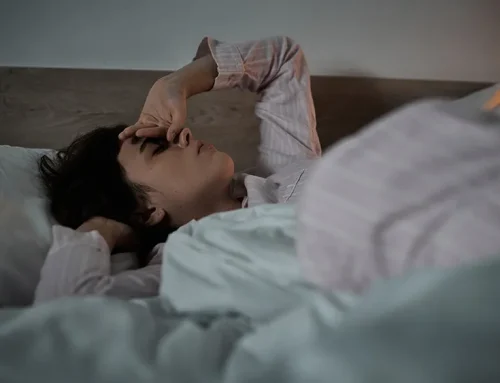
You dim the lights and settle in, and within minutes your nose closes up, leaving you breathing through your mouth and flipping your pillow in search of any position that lets air through. You breathed just fine all day, yet you wake up dry-mouthed, foggy-headed, and wondering how a little congestion cost you a whole night. The good news is that learning how to sleep with a stuffy nose often comes down to just a few ENT-approved changes to your sleep position, bedroom air, and medicine cabinet.
Why Does a Stuffy Nose Get Worse When You Lie Down?
A stuffy nose gets worse when you lie down because gravity stops working in your favor, and a few nighttime factors compound the swelling. Here’s what happens once your head hits the pillow:
- Blood Shifts Into Your Nose. While you’re upright, gravity keeps blood flowing away from your nasal tissues, but once you’re horizontal, it settles into your turbinates, the soft, blood-rich ridges that warm and filter every breath.
- Your Turbinates Swell. As those ridges fill, they narrow your airway right as you’re trying to drift off, and mucus that drains all day easily starts to linger.
- The Blockage Follows You. Your nose naturally takes turns favoring one nostril in a rhythm called the nasal cycle, and lying on your side amplifies it, which is why the blocked side seems to switch every time you turn over.
- Your Bedroom Keeps It Going. Pollen from Central Florida’s long growing season clings to your pillowcase while dust mites settle into your bedding, feeding that swelling until morning.
That’s why congestion you barely notice by day can cost you a full night, and why researchers consider it a leading symptom behind rhinitis-related sleep problems. Because your position sets so much of this in motion, changing how you lie down is the most direct way to sleep with a stuffy nose.
What’s the Best Sleeping Position When You Have a Stuffy Nose?
The best sleeping position for a stuffy nose is on your side, with your head and upper body elevated and your more congested nostril facing up, so the swollen tissue on that side can shrink and air can move more freely. Work through these five steps, starting a few hours before bed, to get there:
- Finish Alcohol Early. Wine is one of the most common triggers of alcohol-related nasal symptoms, and nasal blockage tops the list of reactions. Having your last drink a few hours before bed gives that swelling time to fade before you lie down.
- Steam Before You Lie Down. A warm shower loosens thick mucus and rinses the day’s pollen from your hair before it ever reaches your pillow.
- Elevate Your Upper Body. A wedge pillow holds a steady incline all night, while stacked pillows bend your neck forward and slide apart; bed risers under the headboard legs work if you’d rather keep your usual pillow.
- Sleep Congested Side Up. Turning the blocked nostril toward the ceiling lets the swollen tissue on that side shrink, and if the blockage moves when you roll over, that’s the nasal cycle at work rather than a sign that something is wrong.
- Keep Allergens Out of Your Bed. Washing pillowcases and sheets weekly in hot water and keeping pets off the bed cuts down the dust mites and dander you’d otherwise breathe all night.
Quick Self-Check: Turn over once you’re settled and notice whether the blockage shifts, then gently pull the cheek beside your blocked nostril outward. If the congestion moves when you switch sides, your sleep position is helping. If one side stays blocked no matter how you lie, or your breathing opens up when you pull your cheek, that’s a structural clue worth sharing with our ENT team.
Does a Humidifier for Nasal Congestion Help You Sleep Better?
A humidifier for nasal congestion helps a stuffy nose at night when your bedroom air runs dry, soothing irritated nasal tissue and keeping mucus thin enough to clear. Too much moisture backfires, though, because damp air feeds mold, a common allergy trigger, so aim for the EPA’s recommended indoor range of 30% to 50%. That target matters in Central Florida, where muggy outdoor air and an all-night AC can push your bedroom toward either extreme. Here’s how to stay in range:
- Measure Before You Add Moisture. An inexpensive hygrometer shows whether your bedroom actually needs moisture before you fill the tank.
- Choose a Cool-Mist Humidifier. A cool-mist humidifier adds moisture without the burn risk of heated water, which matters in homes with kids or pets.
- Use Distilled Water and Rinse the Tank Daily. Standing water breeds mold and bacteria, so a clean tank and distilled water keep them out of the mist you breathe.
Humidifier Placement Tip: Place your humidifier for nasal congestion a few feet from the bed rather than beside your pillow, so the mist disperses into the room instead of dampening your bedding.
Which Medications Help You Sleep With a Stuffy Nose?
When position and humidity aren’t quite enough, the right medication can help you sleep with a stuffy nose, but the best choice depends on what’s behind your congestion and when you take it.
| Option | Best For | When to Use It | Good to Know |
| Saline Spray or Rinse | Thick Mucus, Allergens, and Dryness | 15-30 Minutes Before Bed | Mix Rinses With Safe Water |
| Steroid Spray (Like fluticasone) | Allergy- or Inflammation-driven Congestion | Same Time Each Day | Full Effect Builds Over Several Weeks |
| Antihistamine | Allergy-triggered Congestion | As Directed On Label | Won’t Open Up Any Structural Blockages |
| Decongestant Spray (Like oxymetazoline) | A Rough Night During a Cold | At Bedtime | 3 Days Maximum to Avoid Rebound Congestion |
| Oral Decongestant (Like pseudoephedrine) | Daytime Cold Congestion | Earlier In The Day | Can Disrupt Sleep; Check With Your Doctor If You Have High Blood Pressure or Heart Concerns |
Use Decongestants Sparingly: Save decongestant sprays for the occasional rough night during a cold, and if you find yourself needing one to fall asleep, schedule an evaluation with our ENT team so we can find what’s keeping your nose blocked and treat it at the source.
When Should You See an ENT About Nighttime Congestion?
If you still can’t sleep with a stuffy nose after 10 days, if congestion returns every season, or if you wake up exhausted despite a full night in bed, it’s time to see an ENT. Those patterns usually trace back to one of a handful of treatable causes, and each one has a clear path to relief:
- Chronic Sinusitis. Lingering or recurring congestion often means inflamed, blocked sinuses, which balloon sinuplasty reopens right in our office under local anesthesia, with many patients back to normal activities the same day.
- Chronic Rhinitis. A nose that runs and swells despite allergy medications often has overactive nerves, which ClariFix calms with targeted cryotherapy.
- Deviated Septum or Enlarged Turbinates. A nostril that stays blocked in every position points to a structural narrowing that deviated septum repair or nasal turbinate reduction corrects.
- Nasal Valve Collapse. Nostrils that pull inward when you breathe deeply signal weak nasal walls, which our specialists can evaluate and support with minimally invasive treatment.
- Sinus Infection. Thick, discolored drainage with facial pressure, fever, or a reduced sense of smell deserves prompt care.
Our ENT team pinpoints the cause with a nasal endoscopy, allergy testing, and, when snoring is part of the picture, a coordinated sleep study, so your treatment targets exactly what’s keeping you awake.
What Else Do Patients Ask About Sleeping With a Stuffy Nose?
Across Orlando, Winter Park, and Kissimmee, these questions come up in our exam rooms every week, so here are straight answers from our ENT team.
- Do Nasal Strips Help You Sleep With a Stuffy Nose?
They can help you sleep with a stuffy nose when the narrowing sits near the front of your nose, since strips lift the sides of your nostrils to widen the opening. They can’t, however, shrink swollen turbinates or clear blockages deeper inside your nasal passages.
- Can a Stuffy Nose Cause Snoring or Sleep Apnea?It can contribute to both, since a blocked nose pushes you toward mouth breathing, and in one large study, adults with allergy-related nasal congestion were 1.8 times more likely to have moderate to severe sleep-disordered breathing. If you snore, wake up gasping, or feel unrested no matter how you try to sleep with a stuffy nose, our team can evaluate your airway and walk you through your sleep apnea treatment options.
- Is It Safe to Use a Saline Rinse Every Night?
Yes, and a rinse before bed is one of the simplest ways to sleep with a stuffy nose, as long as you use safe water and a clean device. The FDA considers saline rinses usually safe when used and cleaned properly, so mix each rinse with distilled, sterile, or boiled-and-cooled tap water, and wash and dry your bottle or neti pot after every use.
Ready to Trade Pillow-Flipping for Deep Sleep? Book With Our Central Florida ENT Team
When flipping your pillow in search of air, waking up foggy, or reaching for a decongestant spray every night becomes routine, that’s your signal to get answers. Our Orlando ENT specialists at Florida Otolaryngology Group, P.A. have helped thousands of Central Florida patients uncover what’s making it so hard to sleep with a stuffy nose and treat it at the source. Clear, comfortable nights are closer than you think. Call (407) 677-0099 orbook your ENT evaluation online today.